Request A Quote


Steering failure on a bulldozer can bring an entire earthmoving operation to a halt. Unlike a simple hydraulic leak, steering problems often stem from interconnected mechanical, hydraulic, and electronic systems, requiring systematic diagnosis before any reset procedure can succeed.
Common Causes
Steering failures typically fall into three categories. Hydraulic issues include low oil level, clogged filters, worn steering pumps, and internal leakage in the steering control valve. Mechanical problems involve worn brake bands, damaged final drives, and misadjusted linkages. Electronic faults—particularly on modern joystick-controlled machines—include failed sensors, wiring harness damage, or controller errors that interrupt signal transmission to the steering valves.
Diagnosis and Reset Procedures
A reset should never be attempted before identifying the underlying fault. Start by checking hydraulic oil level, inspecting filters, verifying steering pressure with a gauge, and reading error codes through the diagnostic display. Inspect wiring and connectors at the joystick and steering valve solenoids. For electronic faults, a controller reset may restore function: park on level ground, lower the blade, engage the parking brake, shut off the engine, and wait for full power-down. After restarting, allow the self-check cycle to complete. Some models require joystick calibration through its full range to relearn neutral and end positions.
When Reset Does Not Work
If a reset fails to restore steering, the fault is likely mechanical or hydraulic rather than electronic. Persistent failure warrants pressure testing of the steering circuit, inspection of clutch packs, and checking for internal leakage. Continued operation without correction risks damaging the transmission and final drives.

-
 Breaker Impact Loss: A Diagnostic Guide
 September 03, 2026 Read More
-
 Mining Truck Tire Wear: Root CausesAugust 20, 2026 Read More
-
 Keeping Electric Loaders Cool Under PressureJuly 30, 2026 Read More
-
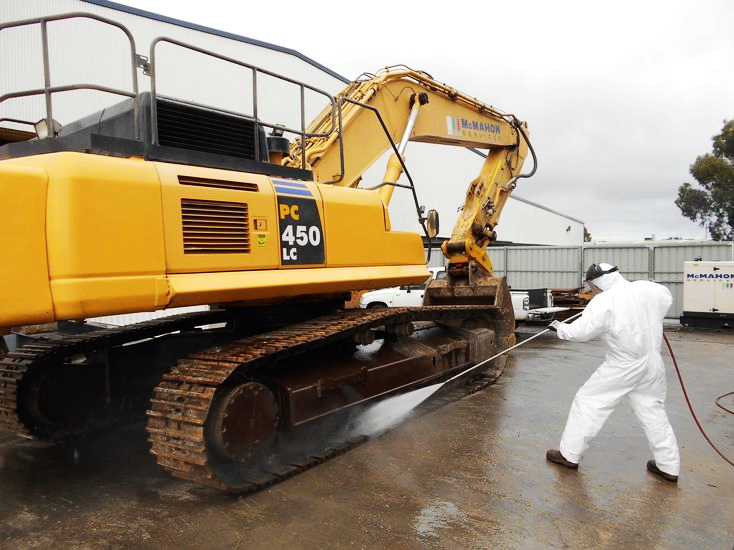 Radiator Cleaning and Summer Overheating Prevention for Construction EquipmentJune 23, 2026 Read More
-
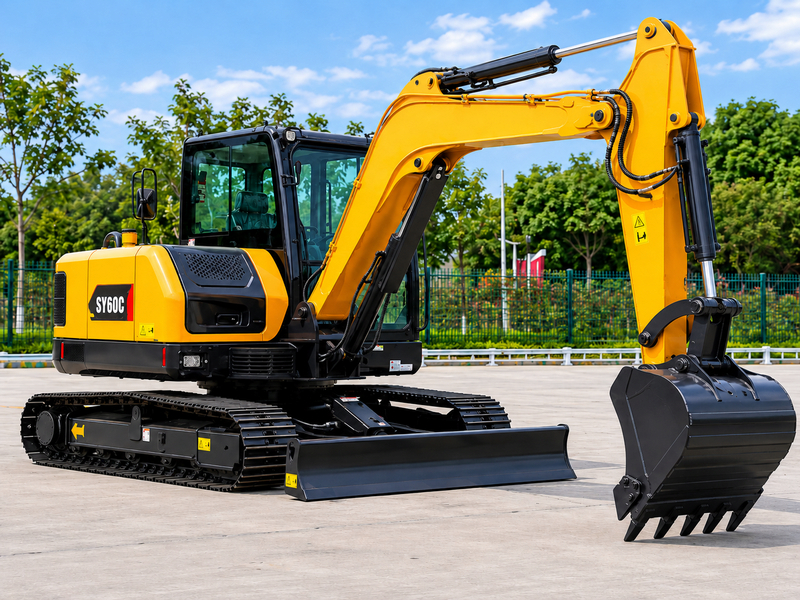 Compact, Powerful and Efficient: SANY SY60C Excavator for Urban JobsMay 28, 2026 Read More
-
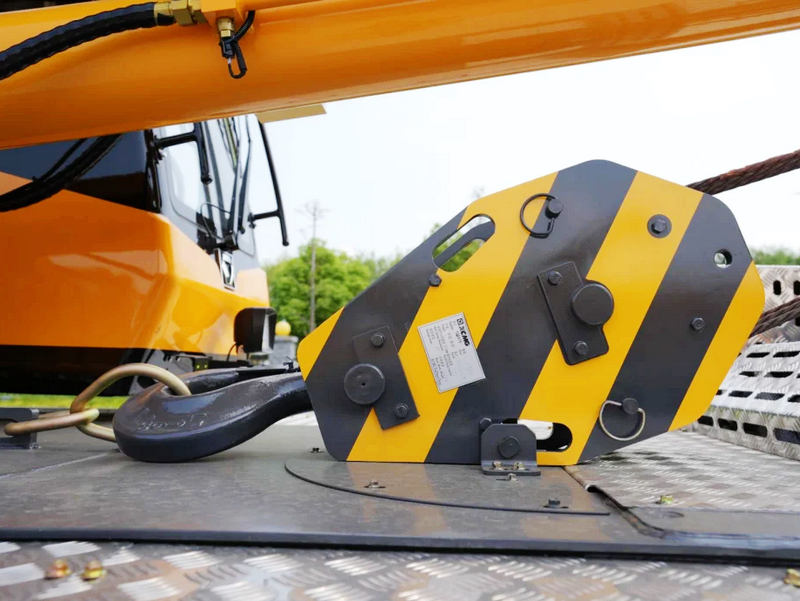 Crane Hook Inspection: Key Safety Checks You Must Never IgnoreApril 20, 2026 Read More
-
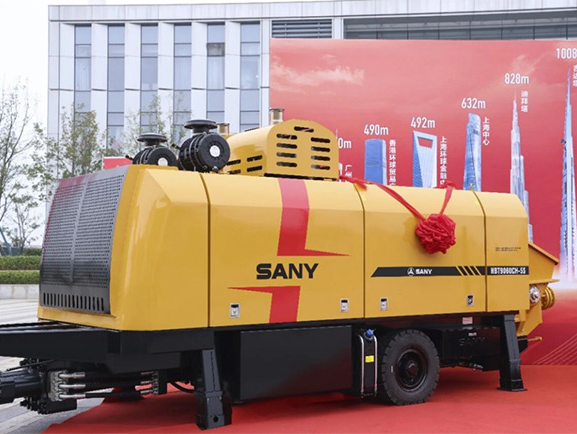 SANY Ultra-High Pressure Pump Supports Construction of 1008m Jeddah TowerMarch 06, 2026 Read More
-
 How to Properly Change Engine Oil on a Wheel LoaderJanuary 06, 2026 Read More
-
 Winter Maintenance Guide for Construction EquipmentDecember 10, 2025 Read More
-
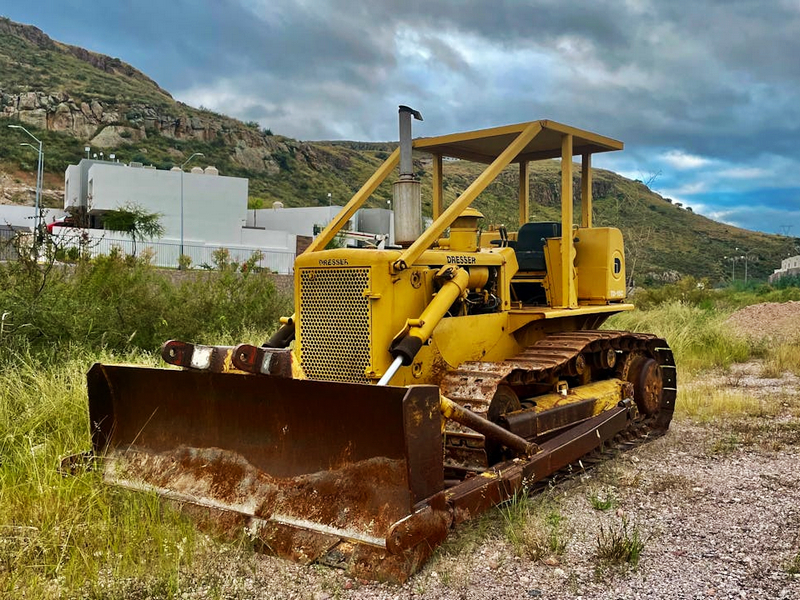 Winter Maintenance Guidelines for Bulldozers Deserve AttentionNovember 27, 2025 Read More
-
CATERBE Celebrates EONMAC's 18th Anniversary2026 / 09 / 18
-
On the Ground: CATERBE Visits SUNWARD Factory2026 / 08 / 18
-
Double Celebration: CATERBE Turns 2 & Moves to New Home2026 / 07 / 01
-
CATERBE’s 2026 Team-Building Trip in Chenzhou, Hunan Concludes Successfully2026 / 06 / 11
-
CATERBE Concludes “Red Trade Rising” Competition with Strong Results2026 / 04 / 30
-
CATERBE Visited CHENGLI Group for Industry Learning2026 / 03 / 12
-
United in Vision, Connected Online | CATERBE 2026 Annual Dinner2026 / 02 / 06
-
CRCHI's First TBM for South Korea Bores Through Railway Tunnel2026 / 10 / 13
-
SHANTUI Showcases Smart & Green Solutions at Jining Expo2026 / 09 / 08
-
Electrification Gains Momentum in Construction Machinery2026 / 08 / 13
-
Electrification Gains Momentum in Construction Machinery2026 / 08 / 13
-
SHANTUI Mixer Trucks Head to Egypt for Belt and Road Projects2026 / 07 / 23
-
VOLVO CE and Hitachi Energy Partner to Advance Zero-Emission Construction Sites2026 / 06 / 05
-
LIUGONG to Showcase Innovative Technologies at 2026 Tech Festival2026 / 05 / 19

Caterbe Plant Sales Ltd.
 +86-27-8555-7818
 +86-27-8555-7818
 +86-199-7396-9036
+86-173-6366-2671
+86-178-7392-5674
 export@caterbe.com
 Suite 2910, Tower I, New World International Trade Building, No. 568 Jianshe Avenue, Jianghan District, Wuhan, Hubei Province, China