Request A Quote


High ambient temperatures in summer place heavy demands on engine and hydraulic cooling systems. The radiator is the core component of the cooling system, and when it becomes clogged or loses heat exchange efficiency, the equipment is prone to overheating. Maintenance statistics show that approximately 30% of summer equipment failures are related to poor cooling system performance. Regular radiator maintenance is essential to avoid costly downtime and repairs.
1. Clean External Debris Regularly
Radiator fins are easily blocked by debris such as cotton fluff, weeds, and mud, which reduces airflow and cooling capacity. After each day's work, blow compressed air through the radiator from the inside out at 0.2–0.3 MPa to clear trapped debris. Keep the nozzle at least 30 cm from the fins to avoid bending or damaging them.
2. Flush Internal Scale Build-up
Using hard water or failing to change coolant regularly can cause scale to accumulate inside the radiator, significantly reducing heat transfer efficiency. It is recommended to flush the cooling system every 500 hours using a dedicated cleaning agent. Add the agent according to the instructions, run the engine at idle for 30 minutes, drain the system, and refill with fresh coolant.
3. Use the Correct Coolant
Never use plain water as coolant—plain water has a low boiling point, promotes scale formation, and offers no corrosion protection. Always use a standard ethylene-glycol-based antifreeze, mixed to the proper ratio for the operating environment. Replace the coolant every 1,000 hours or two years, whichever comes first.
4. Inspect the Radiator Cap and Seal
The sealing performance of the radiator cap and its pressure valve function directly affect the cooling system's pressure balance. If the seal ring is cracked or aged, or the cap fails to hold pressure, replace it immediately. A faulty cap can cause premature coolant boiling, leading to overheating.
5. Monitor Overheating Warning Signs
During operation, keep an eye on the coolant temperature gauge and the high-temperature warning light. Normal operating temperature should be between 80°C and 90°C. If the temperature consistently exceeds 95°C and is accompanied by noticeable power loss, stop the machine immediately and inspect the cooling system. Continuing to operate under overheating conditions can result in cylinder scoring, head gasket failure, or other severe damage.
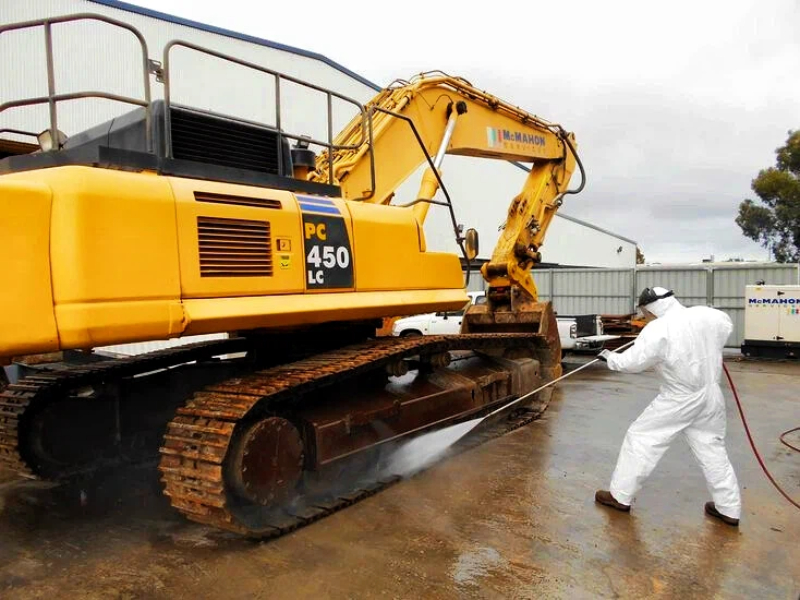
-
 Rotary Drill Pipe Fracture Analysis
 October 10, 2026 Read More
 -
 Breaker Impact Loss: A Diagnostic GuideSeptember 03, 2026 Read More
 -
 Mining Truck Tire Wear: Root CausesAugust 20, 2026 Read More
 -
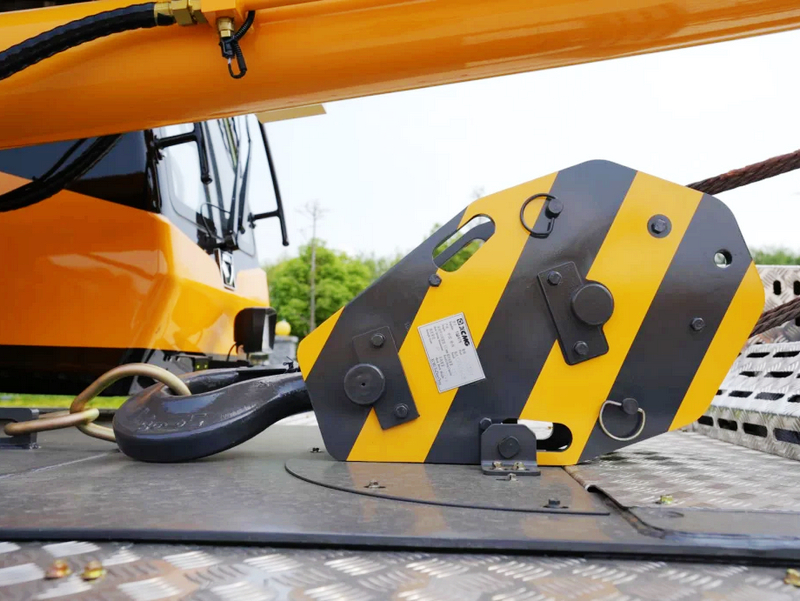 Crane Hook Inspection: Key Safety Checks You Must Never IgnoreApril 20, 2026 Read More
 -
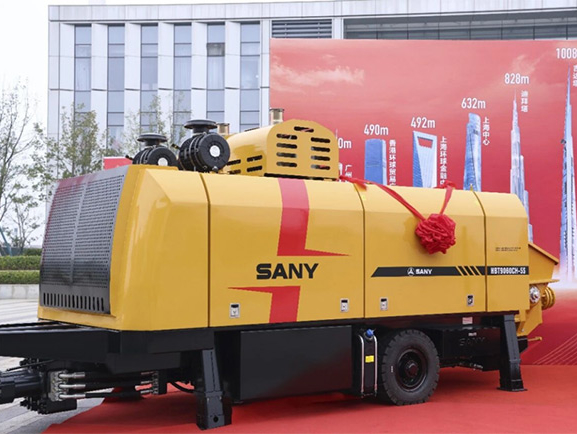 SANY Ultra-High Pressure Pump Supports Construction of 1008m Jeddah TowerMarch 06, 2026 Read More
 -
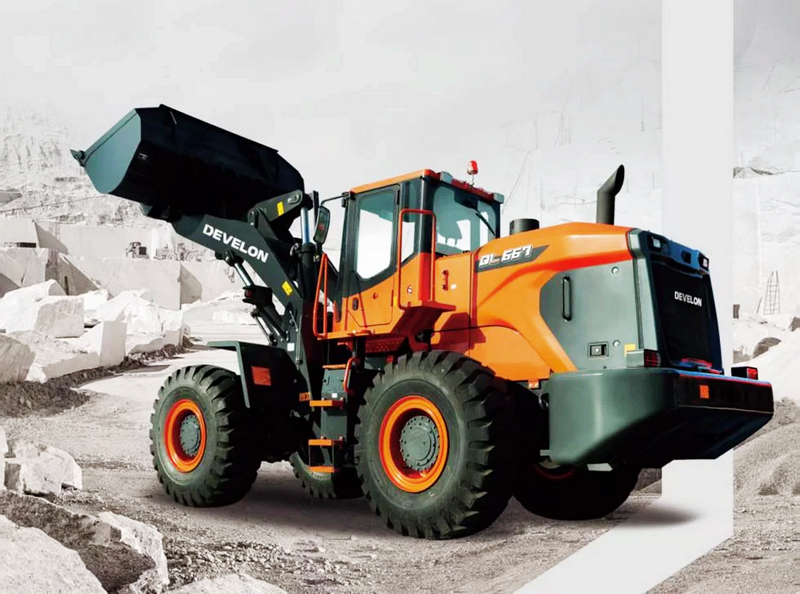 How to Properly Change Engine Oil on a Wheel LoaderJanuary 06, 2026 Read More
 -
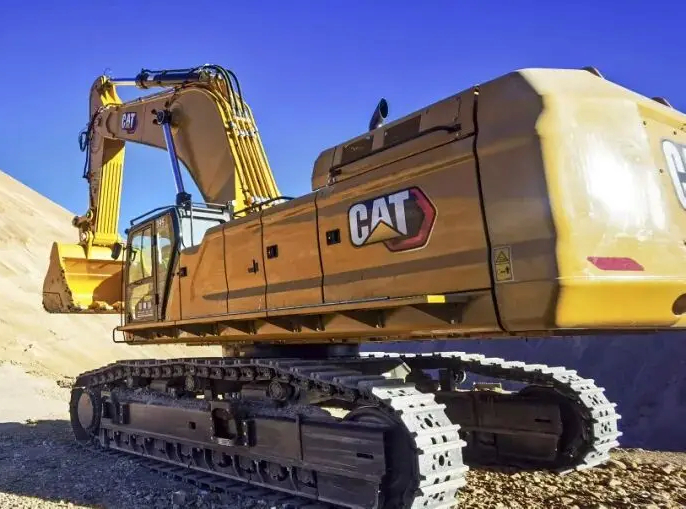 Winter Maintenance Guide for Construction EquipmentDecember 10, 2025 Read More
 -
 Winter Maintenance Guidelines for Bulldozers Deserve AttentionNovember 27, 2025 Read More
 -
 Winter Forklift Battery Maintenance EssentialsNovember 21, 2025 Read More
 -
 Systematic Crane Maintenance ManagementOctober 30, 2025 Read More
-
CATERBE Celebrates EONMAC's 18th Anniversary2026 / 09 / 18
-
On the Ground: CATERBE Visits SUNWARD Factory2026 / 08 / 18
-
Double Celebration: CATERBE Turns 2 & Moves to New Home2026 / 07 / 01
-
CATERBE’s 2026 Team-Building Trip in Chenzhou, Hunan Concludes Successfully2026 / 06 / 11
-
CATERBE Concludes “Red Trade Rising” Competition with Strong Results2026 / 04 / 30
-
CATERBE Visited CHENGLI Group for Industry Learning2026 / 03 / 12
-
United in Vision, Connected Online | CATERBE 2026 Annual Dinner2026 / 02 / 06
-
CRCHI's First TBM for South Korea Bores Through Railway Tunnel2026 / 10 / 13
-
SHANTUI Showcases Smart & Green Solutions at Jining Expo2026 / 09 / 08
-
Electrification Gains Momentum in Construction Machinery2026 / 08 / 13
-
Electrification Gains Momentum in Construction Machinery2026 / 08 / 13
-
SHANTUI Mixer Trucks Head to Egypt for Belt and Road Projects2026 / 07 / 23
-
VOLVO CE and Hitachi Energy Partner to Advance Zero-Emission Construction Sites2026 / 06 / 05
-
LIUGONG to Showcase Innovative Technologies at 2026 Tech Festival2026 / 05 / 19

Caterbe Plant Sales Ltd.
 +86-27-8555-7818
 +86-27-8555-7818
 +86-199-7396-9036
+86-173-6366-2671
+86-178-7392-5674
 export@caterbe.com
  Suite 2910, Tower I, New World International Trade Building, No. 568 Jianshe Avenue, Jianghan District, Wuhan, Hubei Province, China