Request A Quote


The transition to electric construction equipment has gained significant momentum in recent years. However, one critical challenge remains: while electric excavators and wheel loaders can eliminate on-site emissions, construction projects still require reliable power infrastructure, charging systems, and energy management solutions to operate efficiently.
To address this challenge, Volvo Construction Equipment (Volvo CE) and Hitachi Energy have signed a Memorandum of Understanding (MoU) to jointly explore integrated solutions for zero-emission construction sites. The partnership aims to combine equipment electrification, power supply, charging infrastructure, and energy management into a unified ecosystem, helping customers accelerate the transition to more sustainable and productive operations.
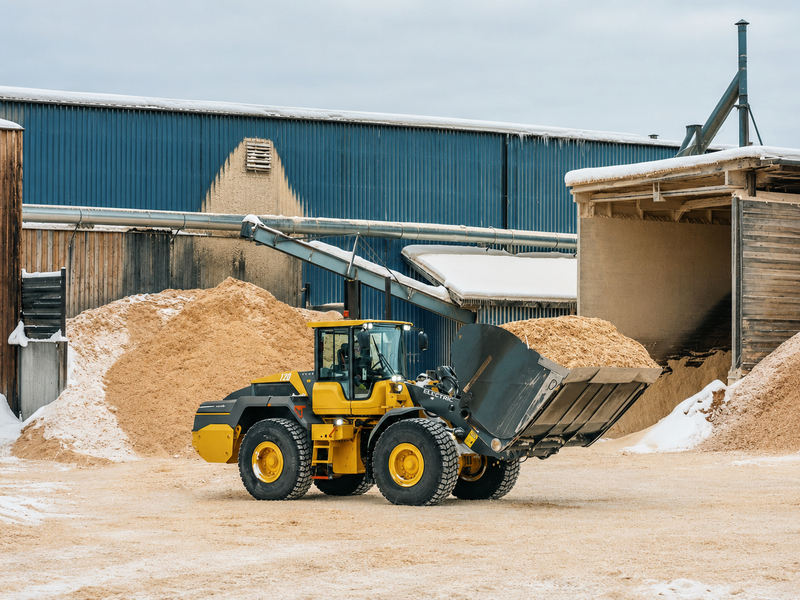
Beyond Electric Equipment: Solving the Energy Challenge
As electric construction machinery becomes increasingly common, contractors face new operational questions. How can multiple electric machines be charged efficiently on-site? Can local power infrastructure support peak construction demand? How can charging schedules be optimized without disrupting project timelines?
These challenges extend far beyond the machines themselves. While Volvo CE brings extensive expertise in electric construction equipment, Hitachi Energy contributes decades of experience in electrification, power systems, energy management, and system integration. Together, the two companies aim to bridge the gap between equipment and energy infrastructure.
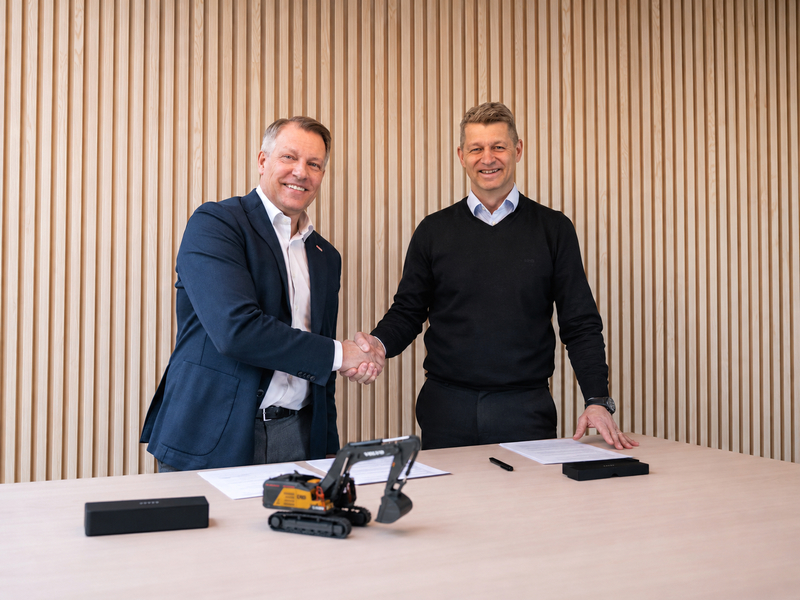
Building an Integrated Solution
Rather than focusing solely on individual products, the collaboration adopts a system-level approach. The companies will evaluate both technical and commercial solutions covering:
- Power supply infrastructure
- Charging solutions
- Energy management systems
- Operational integration
The goal is to create practical, scalable solutions that simplify the deployment of zero-emission construction projects while maintaining productivity and operational efficiency.
According to Melker Jernberg, President of Volvo CE, combining the strengths of both organizations will provide customers with the confidence and support needed to implement zero-emission operations successfully.
Niklas Persson, Managing Director of Hitachi Energy’s Grid Integration business, emphasized that as construction electrification becomes more complex, success will depend on system integration, efficient execution, and strong industry partnerships capable of scaling zero-emission solutions.
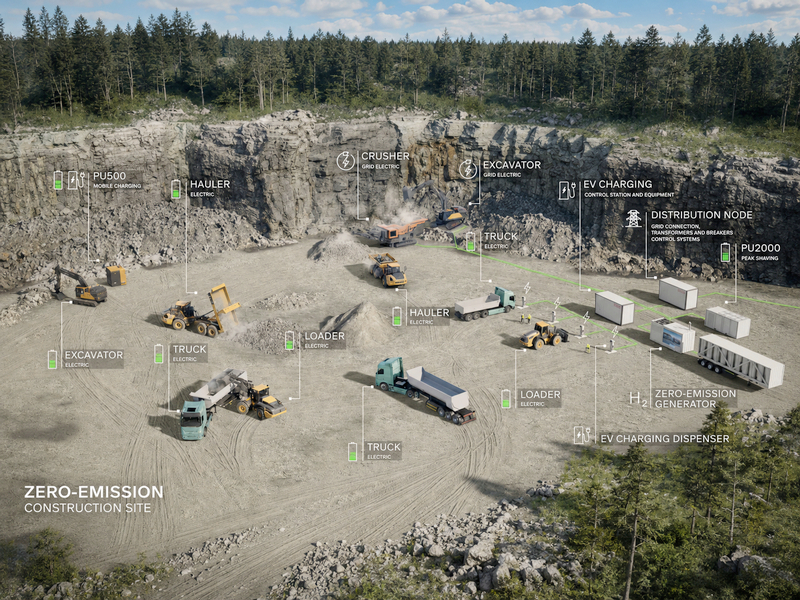
From Equipment Sales to Ecosystem Development
The partnership will initially focus on commercially viable and market-ready solutions designed to be as simple and practical as possible for customers. By offering integrated, plug-and-play approaches, Volvo CE and Hitachi Energy aim to reduce barriers to adoption and accelerate the shift toward sustainable construction practices.
At the same time, the agreement leaves room for future collaboration in areas such as:
- Connected and intelligent equipment
- Digital integration platforms
- Advanced energy optimization
- Value-added operational services
With Volvo CE's leadership in electrified construction equipment and Hitachi Energy's expertise in power infrastructure, the partnership represents a significant step toward creating a complete zero-emission construction ecosystem.
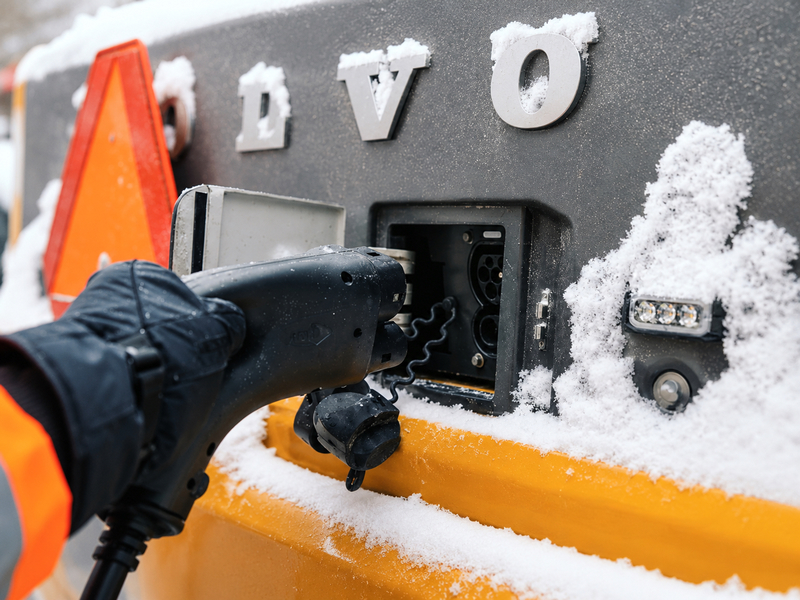
Industry Perspective
The future of zero-emission construction depends on much more than electric machinery. It requires an integrated energy ecosystem capable of supporting everything from grid connections and on-site power distribution to charging management and energy optimization.
The collaboration between Volvo CE and Hitachi Energy highlights a broader shift within the construction equipment industry. Competition is no longer focused solely on machine performance or fuel efficiency. Increasingly, success will depend on the ability to deliver comprehensive, practical, and scalable solutions that enable customers to achieve their sustainability goals.
While significant work remains—from pilot projects to large-scale implementation—the direction is clear. The industry is moving beyond selling equipment and toward building complete operational ecosystems for the next generation of construction sites.
-
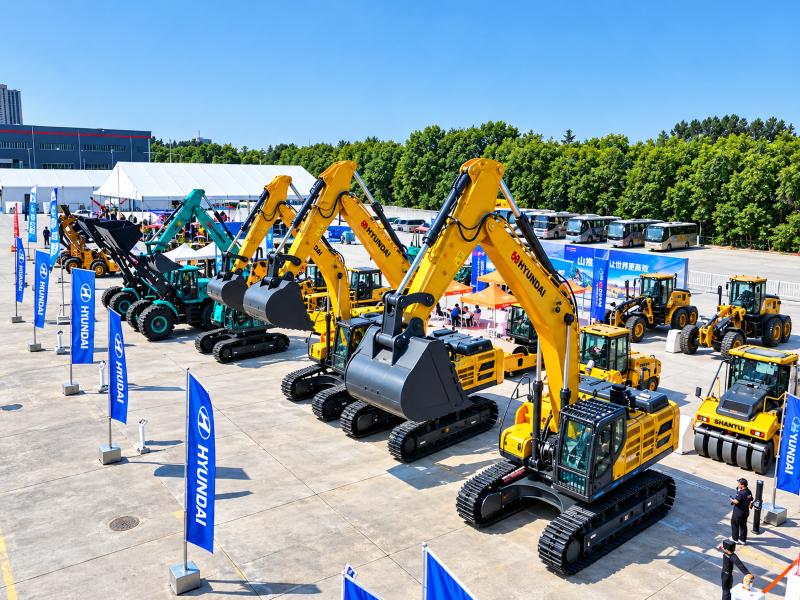 SHANTUI Showcases Smart & Green Solutions at Jining Expo
 September 08, 2026 Read More
 -
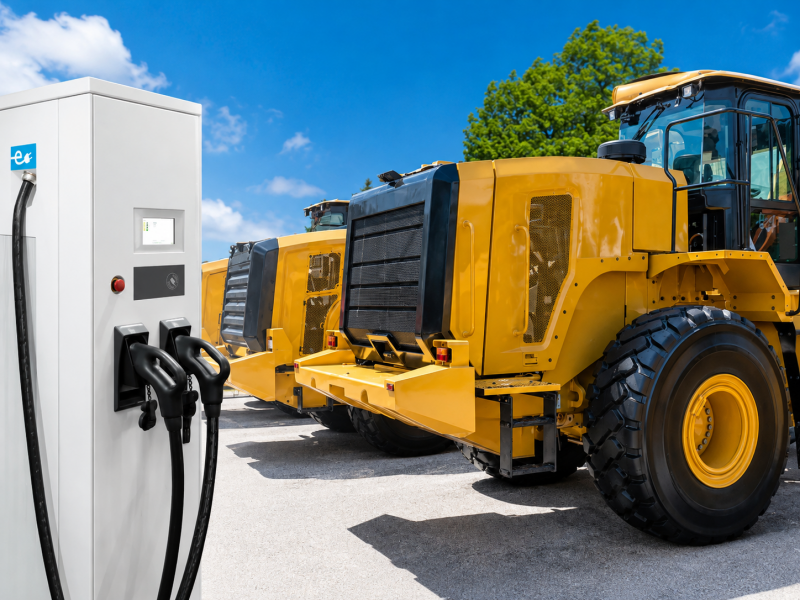 Electrification Gains Momentum in Construction MachineryAugust 13, 2026 Read More
 -
Electrification Gains Momentum in Construction MachineryAugust 13, 2026 Read More
-
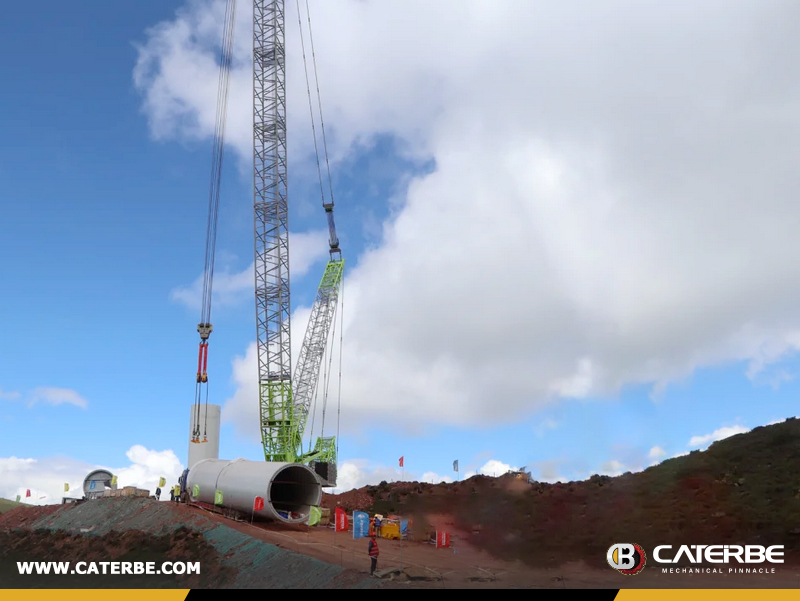 ZOOMLION ZCC13000 Powers Wind Project in KazakhstanApril 13, 2026 Read More
 -
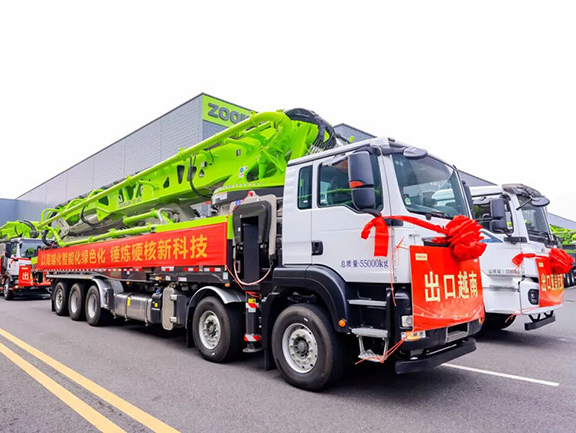 ZOOMLION Begins 2026 with ¥8.5B Global Equipment ShipmentsMarch 17, 2026 Read More
 -
 2025 Infrastructure Report Released: Strong Momentum Across ChinaJanuary 20, 2026 Read More
 -
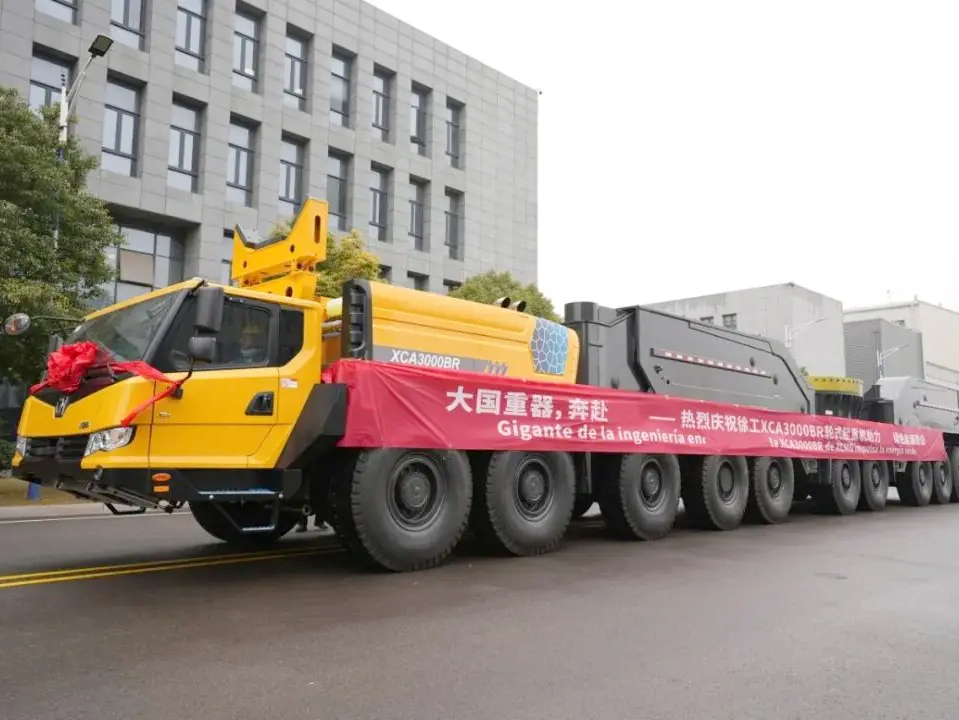 China’s Largest Exported All-Terrain Crane Sets Sail AgainDecember 18, 2025 Read More
 -
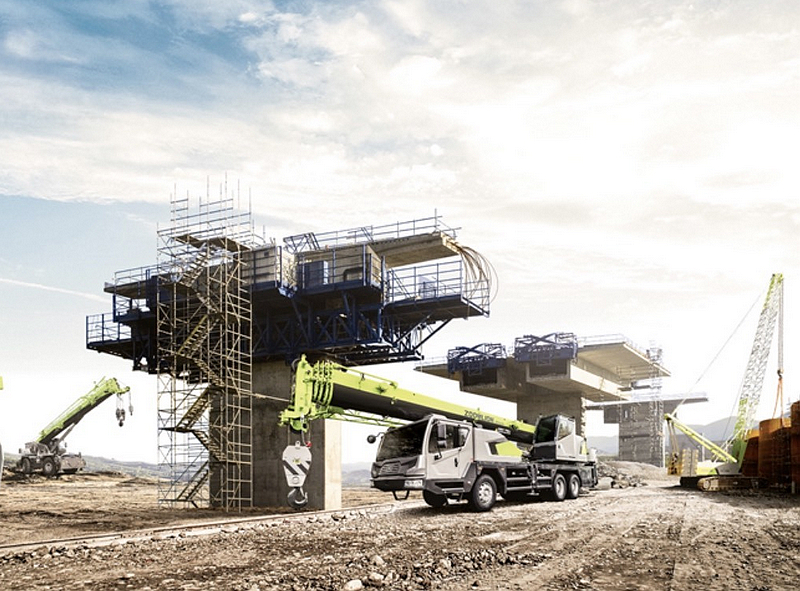 ZOOMLION Empowers Chinese Cranes to Go GlobalNovember 24, 2025 Read More
 -
 YTO Group Appears at ICE&PE 2025November 14, 2025 Read More
 -
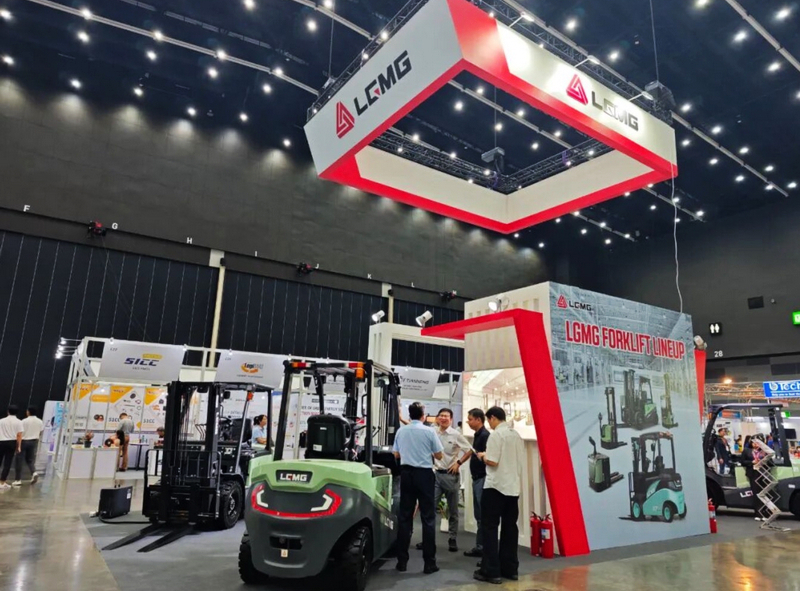 New Electric Power! LGMG Makes a Splash at LogiMAT Southeast AsiaOctober 20, 2025 Read More
-
On the Ground: CATERBE Visits SUNWARD Factory2026 / 08 / 18
-
Double Celebration: CATERBE Turns 2 & Moves to New Home2026 / 07 / 01
-
CATERBE’s 2026 Team-Building Trip in Chenzhou, Hunan Concludes Successfully2026 / 06 / 11
-
CATERBE Concludes “Red Trade Rising” Competition with Strong Results2026 / 04 / 30
-
CATERBE Visited CHENGLI Group for Industry Learning2026 / 03 / 12
-
United in Vision, Connected Online | CATERBE 2026 Annual Dinner2026 / 02 / 06
-
CATERBE Celebrates Christmas with a Cozy Afternoon Tea Gathering2025 / 12 / 25
-
Rotary Drill Pipe Fracture Analysis2026 / 10 / 10
-
Breaker Impact Loss: A Diagnostic Guide2026 / 09 / 03
-
Mining Truck Tire Wear: Root Causes2026 / 08 / 20
-
Keeping Electric Loaders Cool Under Pressure2026 / 07 / 30
-
Radiator Cleaning and Summer Overheating Prevention for Construction Equipment2026 / 06 / 23
-
Compact, Powerful and Efficient: SANY SY60C Excavator for Urban Jobs2026 / 05 / 28
-
Crane Hook Inspection: Key Safety Checks You Must Never Ignore2026 / 04 / 20

Caterbe Plant Sales Ltd.
 +86-27-8555-7818
 +86-27-8555-7818
 +86-199-7396-9036
+86-173-6366-2671
+86-178-7392-5674
 export@caterbe.com
  Suite 2910, Tower I, New World International Trade Building, No. 568 Jianshe Avenue, Jianghan District, Wuhan, Hubei Province, China