Request A Quote


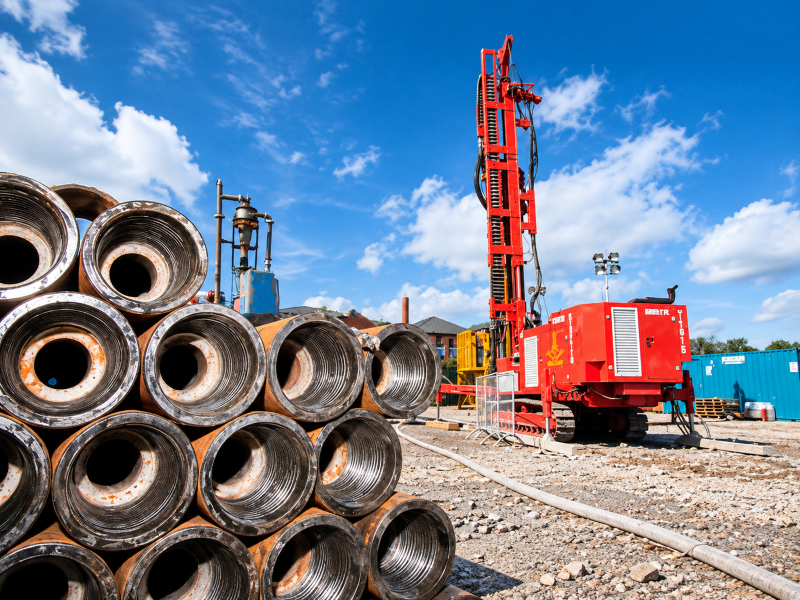
Rotary drill pipe failures remain one of the most costly problems in mining, quarrying, and water well drilling. A sudden fracture can halt production for days, damage the rig, and create safety hazards. Understanding why pipes fracture—and how to prevent it—is essential for improving reliability and reducing downtime.
Fatigue: The Dominant Failure Mechanism
Most drill pipe fractures are fatigue-related. During rotation, the pipe experiences cyclic bending stresses as it passes through curved borehole sections. Over thousands of cycles, microscopic cracks initiate at stress concentration points—typically at thread roots or upset transition zones. These cracks propagate until the remaining wall thickness can no longer support the load, resulting in sudden failure. Fatigue failures often show characteristic beach marks on the fracture surface.
Material and Manufacturing Defects
Not all fractures originate from service conditions. Manufacturing defects can seed early failures, including improper heat treatment, non-metallic inclusions, inadequate thread tolerances, and welding defects at tool joints. These flaws act as stress risers and dramatically shorten fatigue life. Strict quality control and incoming inspection are critical defenses.
Operational Factors and Abuse
Field practices strongly influence pipe longevity. Over-torquing connections, exceeding rated working limits, and shock loads during breakout accelerate damage. Corrosive environments promote stress corrosion cracking, while abrasive formations wear down wall thickness. Improper handling such as dropping pipes can introduce dents that become crack initiation sites.
Inspection and Prevention
Preventing fractures requires proper design, disciplined operation, and regular inspection. Non-destructive testing methods such as ultrasonic, magnetic particle, and electromagnetic testing detect cracks and wall thinning before failure. Thread gauging ensures connection integrity, while service history tracking allows operators to retire pipes before reaching critical damage thresholds.
Outlook
As drilling pushes into deeper formations, drill string integrity becomes even more critical. High-strength materials, premium connection designs, and real-time monitoring—including vibration sensors and torque monitoring—are helping operators manage fatigue more effectively. With disciplined inspection and operation, most drill pipe fractures can be prevented.

-
 Mining Truck Tire Wear: Root Causes
 August 20, 2026 Read More
 -
 Keeping Electric Loaders Cool Under PressureJuly 30, 2026 Read More
 -
 Radiator Cleaning and Summer Overheating Prevention for Construction EquipmentJune 23, 2026 Read More
 -
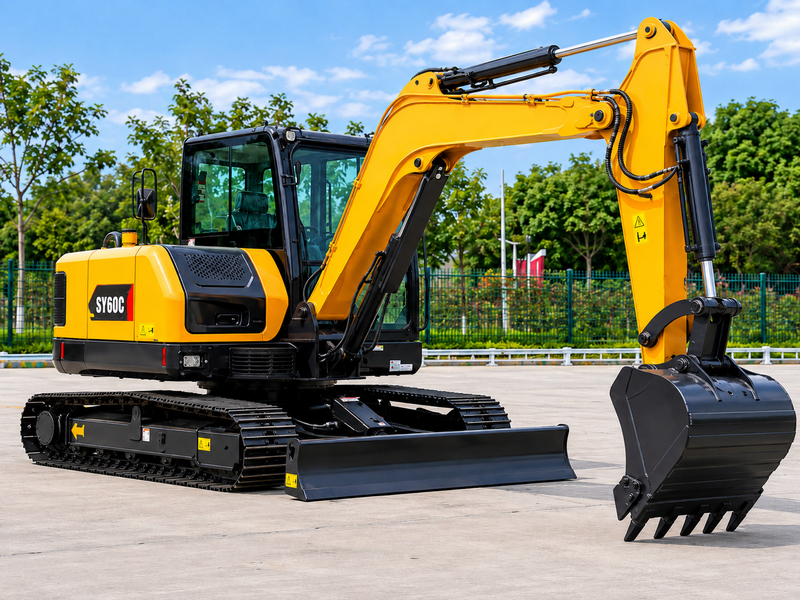 Compact, Powerful and Efficient: SANY SY60C Excavator for Urban JobsMay 28, 2026 Read More
 -
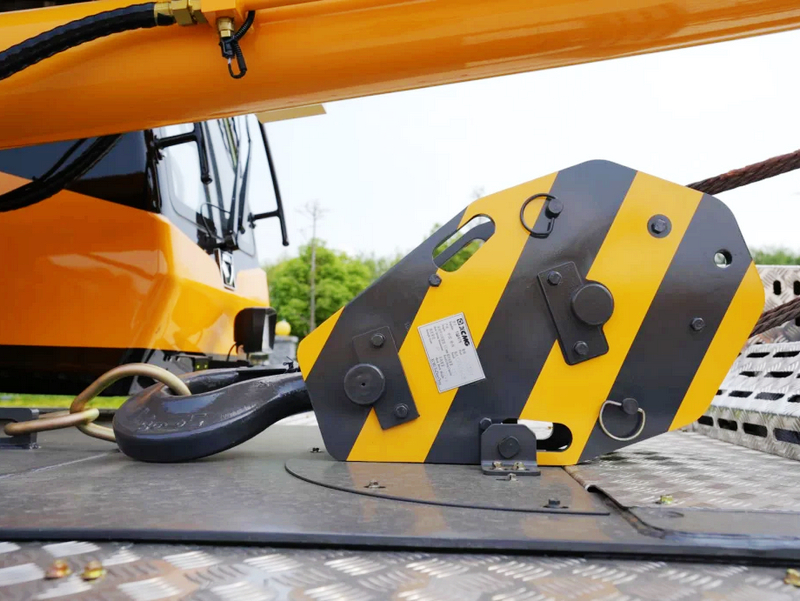 Crane Hook Inspection: Key Safety Checks You Must Never IgnoreApril 20, 2026 Read More
 -
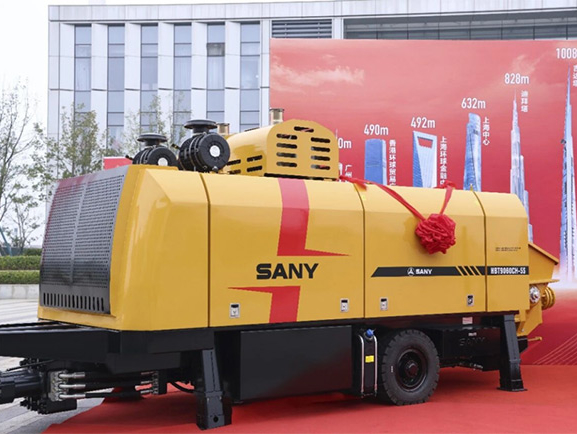 SANY Ultra-High Pressure Pump Supports Construction of 1008m Jeddah TowerMarch 06, 2026 Read More
 -
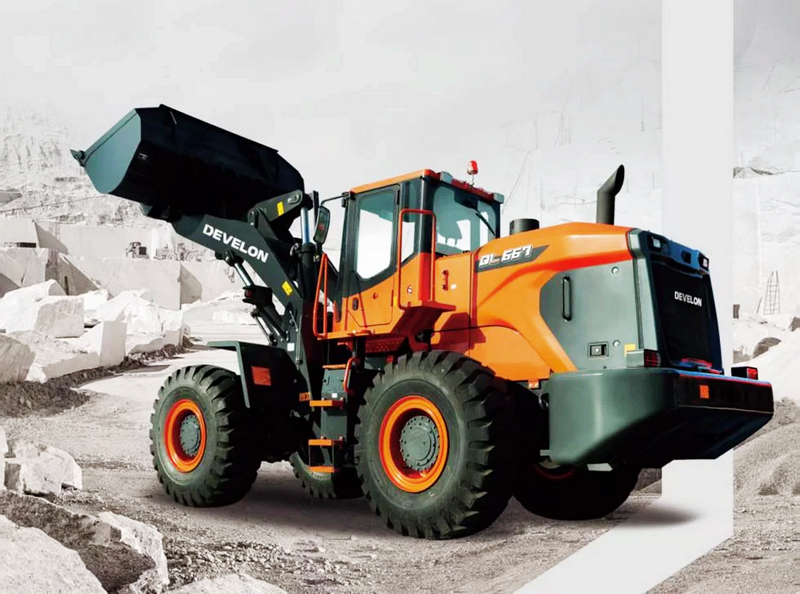 How to Properly Change Engine Oil on a Wheel LoaderJanuary 06, 2026 Read More
 -
 Winter Maintenance Guide for Construction EquipmentDecember 10, 2025 Read More
 -
 Winter Maintenance Guidelines for Bulldozers Deserve AttentionNovember 27, 2025 Read More
 -
 Winter Forklift Battery Maintenance EssentialsNovember 21, 2025 Read More
-
On the Ground: CATERBE Visits SUNWARD Factory2026 / 08 / 18
-
Double Celebration: CATERBE Turns 2 & Moves to New Home2026 / 07 / 01
-
CATERBE’s 2026 Team-Building Trip in Chenzhou, Hunan Concludes Successfully2026 / 06 / 11
-
CATERBE Concludes “Red Trade Rising” Competition with Strong Results2026 / 04 / 30
-
CATERBE Visited CHENGLI Group for Industry Learning2026 / 03 / 12
-
United in Vision, Connected Online | CATERBE 2026 Annual Dinner2026 / 02 / 06
-
CATERBE Celebrates Christmas with a Cozy Afternoon Tea Gathering2025 / 12 / 25
-
SHANTUI Showcases Smart & Green Solutions at Jining Expo2026 / 09 / 08
-
Electrification Gains Momentum in Construction Machinery2026 / 08 / 13
-
Electrification Gains Momentum in Construction Machinery2026 / 08 / 13
-
SHANTUI Mixer Trucks Head to Egypt for Belt and Road Projects2026 / 07 / 23
-
VOLVO CE and Hitachi Energy Partner to Advance Zero-Emission Construction Sites2026 / 06 / 05
-
LIUGONG to Showcase Innovative Technologies at 2026 Tech Festival2026 / 05 / 19
-
ZOOMLION ZCC13000 Powers Wind Project in Kazakhstan2026 / 04 / 13

Caterbe Plant Sales Ltd.
 +86-27-8555-7818
 +86-27-8555-7818
 +86-199-7396-9036
+86-173-6366-2671
+86-178-7392-5674
 export@caterbe.com
  Suite 2910, Tower I, New World International Trade Building, No. 568 Jianshe Avenue, Jianghan District, Wuhan, Hubei Province, China