Request A Quote


Hydraulic breakers are essential attachments for excavators in mining, demolition, and tunneling. Yet operators frequently encounter a frustrating problem: the breaker "hits weak," impact energy drops, and productivity suffers. According to industry analysis, more than 80% of impact power loss issues stem from hydraulic problems, maintenance neglect, or operational habits—all resolvable with systematic diagnosis.
Hydraulic Supply: Pressure and Flow Imbalance
The breaker's impact force depends on pressure, while blow frequency depends on flow. Common symptoms include noticeable drop in blow frequency, weakening during continuous operation, and worse performance when hot. Typical causes include insufficient auxiliary flow settings, clogged filters, worn pumps, or overheated oil. The relief valve setting is often overlooked—it should be set 15–20 bar above the breaker's rated pressure to allow full piston stroke.
Nitrogen Pressure and Tool Wear
Incorrect nitrogen pre-charge is a common but easily diagnosable cause. Low pressure results in weak strikes; high pressure creates reverse resistance, reducing stroke length. Proper diagnosis requires a nitrogen gauge—never guess. Tool and bushing wear also dissipate energy: worn bushings allow off-center strikes, and a chisel with 5–6 mm side swing indicates severe wear requiring replacement.
Oil Contamination and Diagnostic Protocol
Contamination is a silent performance killer. Particles damage internal components, producing inconsistent striking power over time. Pull an oil sample for particle count analysis when power loss is inconsistent. A systematic diagnostic sequence saves time: check nitrogen pressure, verify hydraulic flow and pressure under load, inspect bushing clearance and chisel condition, then test oil cleanliness. Most impact loss issues can be resolved without costly component replacement.
-
 Keeping Electric Loaders Cool Under Pressure
 July 30, 2026 Read More
 -
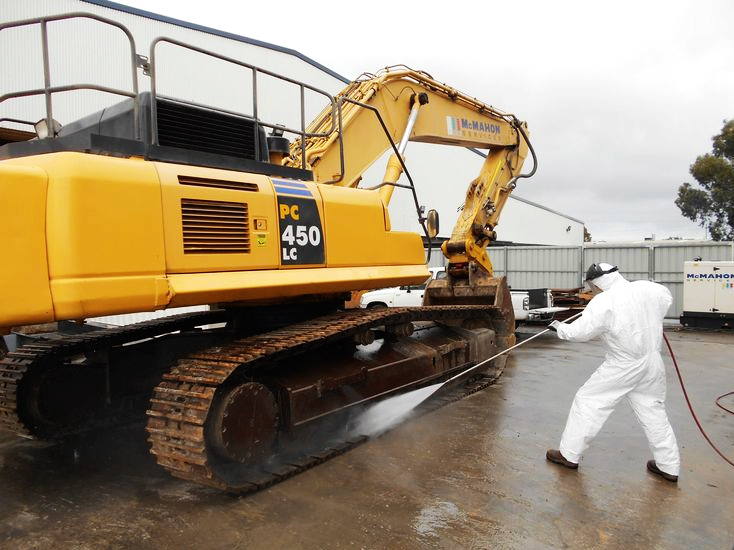 Radiator Cleaning and Summer Overheating Prevention for Construction EquipmentJune 23, 2026 Read More
 -
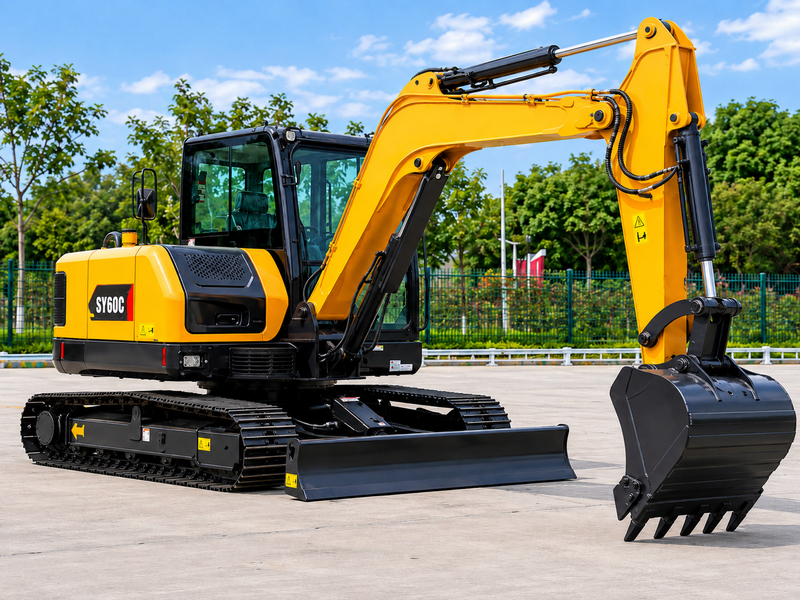 Compact, Powerful and Efficient: SANY SY60C Excavator for Urban JobsMay 28, 2026 Read More
 -
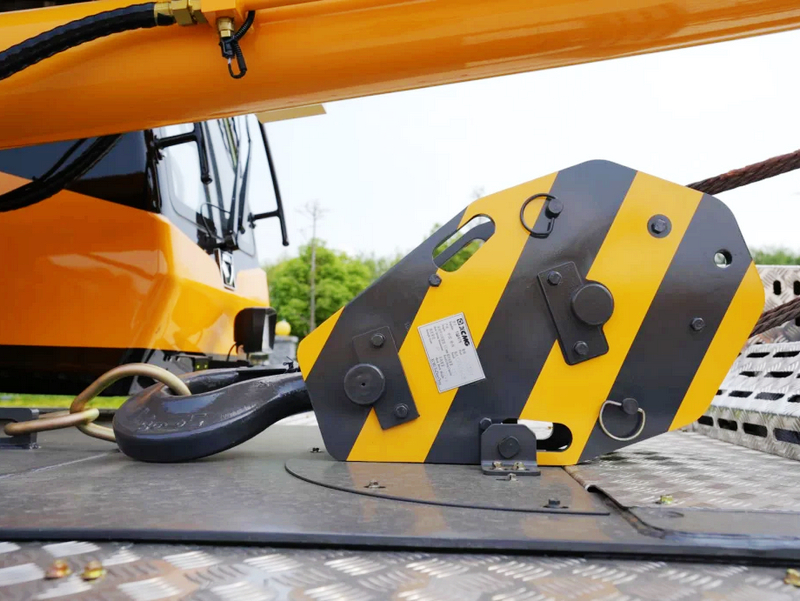 Crane Hook Inspection: Key Safety Checks You Must Never IgnoreApril 20, 2026 Read More
 -
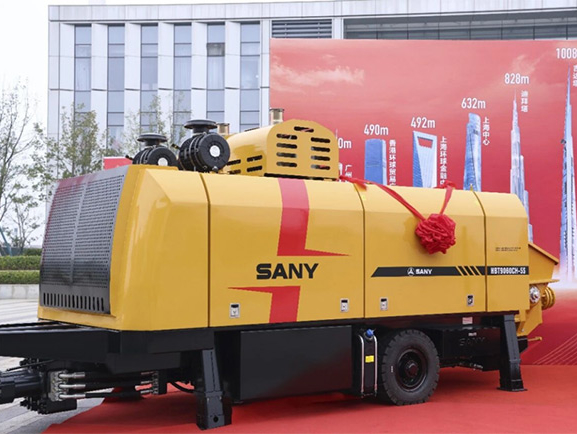 SANY Ultra-High Pressure Pump Supports Construction of 1008m Jeddah TowerMarch 06, 2026 Read More
 -
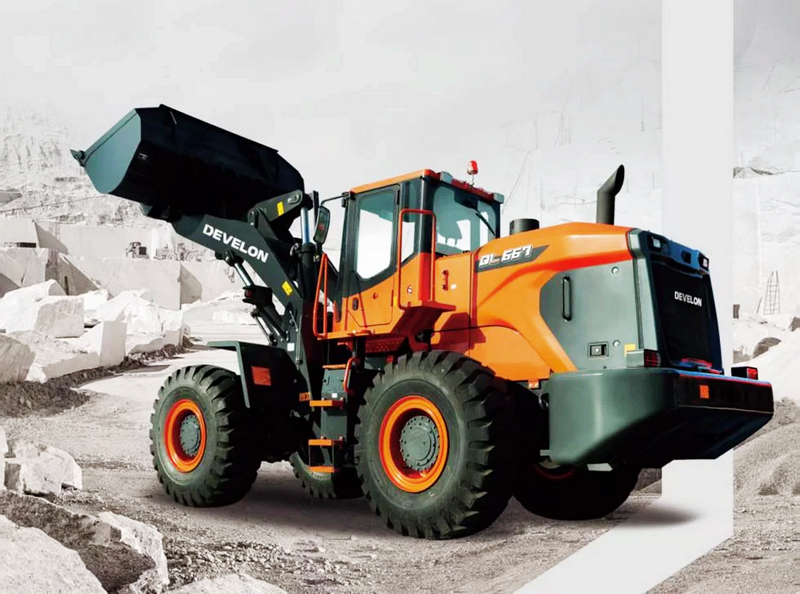 How to Properly Change Engine Oil on a Wheel LoaderJanuary 06, 2026 Read More
 -
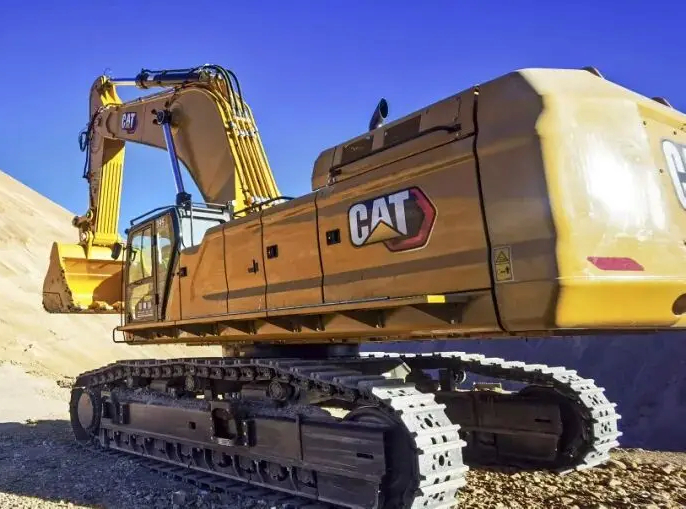 Winter Maintenance Guide for Construction EquipmentDecember 10, 2025 Read More
 -
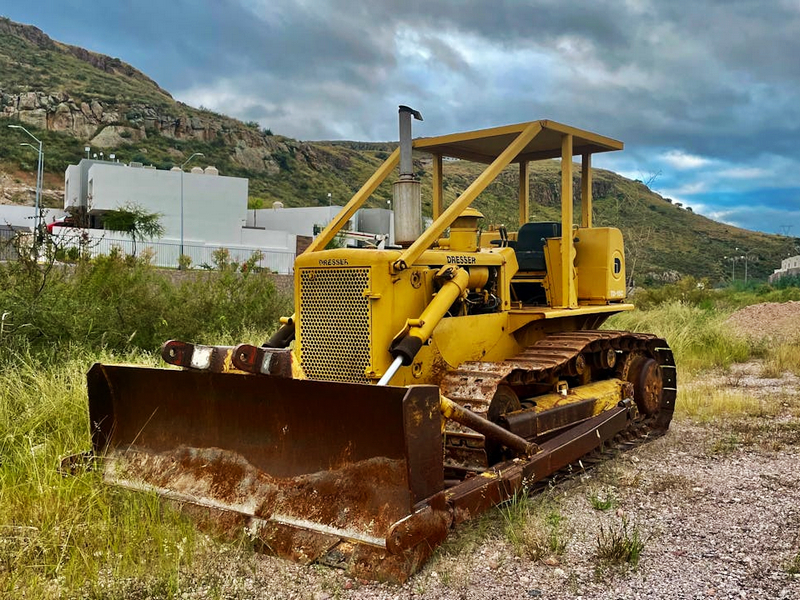 Winter Maintenance Guidelines for Bulldozers Deserve AttentionNovember 27, 2025 Read More
 -
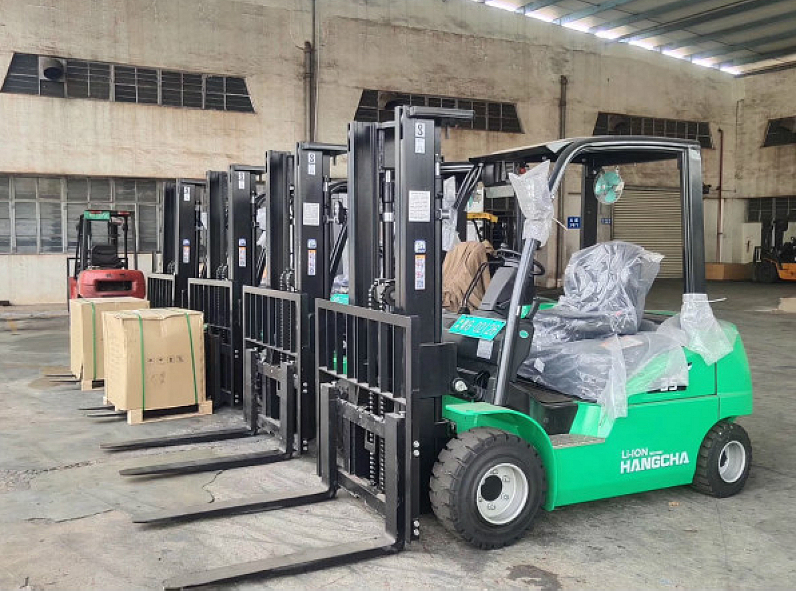 Winter Forklift Battery Maintenance EssentialsNovember 21, 2025 Read More
 -
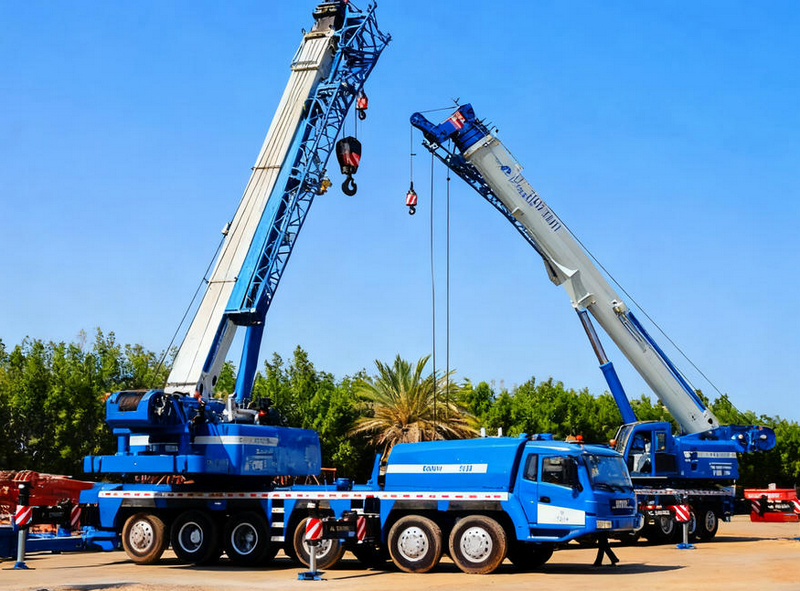 Systematic Crane Maintenance ManagementOctober 30, 2025 Read More
-
On the Ground: CATERBE Visits SUNWARD Factory2026 / 08 / 18
-
Double Celebration: CATERBE Turns 2 & Moves to New Home2026 / 07 / 01
-
CATERBE’s 2026 Team-Building Trip in Chenzhou, Hunan Concludes Successfully2026 / 06 / 11
-
CATERBE Concludes “Red Trade Rising” Competition with Strong Results2026 / 04 / 30
-
CATERBE Visited CHENGLI Group for Industry Learning2026 / 03 / 12
-
United in Vision, Connected Online | CATERBE 2026 Annual Dinner2026 / 02 / 06
-
CATERBE Celebrates Christmas with a Cozy Afternoon Tea Gathering2025 / 12 / 25
-
CRCHI's First TBM for South Korea Bores Through Railway Tunnel2026 / 10 / 13
-
SHANTUI Showcases Smart & Green Solutions at Jining Expo2026 / 09 / 08
-
Electrification Gains Momentum in Construction Machinery2026 / 08 / 13
-
Electrification Gains Momentum in Construction Machinery2026 / 08 / 13
-
SHANTUI Mixer Trucks Head to Egypt for Belt and Road Projects2026 / 07 / 23
-
VOLVO CE and Hitachi Energy Partner to Advance Zero-Emission Construction Sites2026 / 06 / 05
-
LIUGONG to Showcase Innovative Technologies at 2026 Tech Festival2026 / 05 / 19

Caterbe Plant Sales Ltd.
 +86-27-8555-7818
 +86-27-8555-7818
 +86-199-7396-9036
+86-173-6366-2671
+86-178-7392-5674
 export@caterbe.com
  Suite 2910, Tower I, New World International Trade Building, No. 568 Jianshe Avenue, Jianghan District, Wuhan, Hubei Province, China