Request A Quote


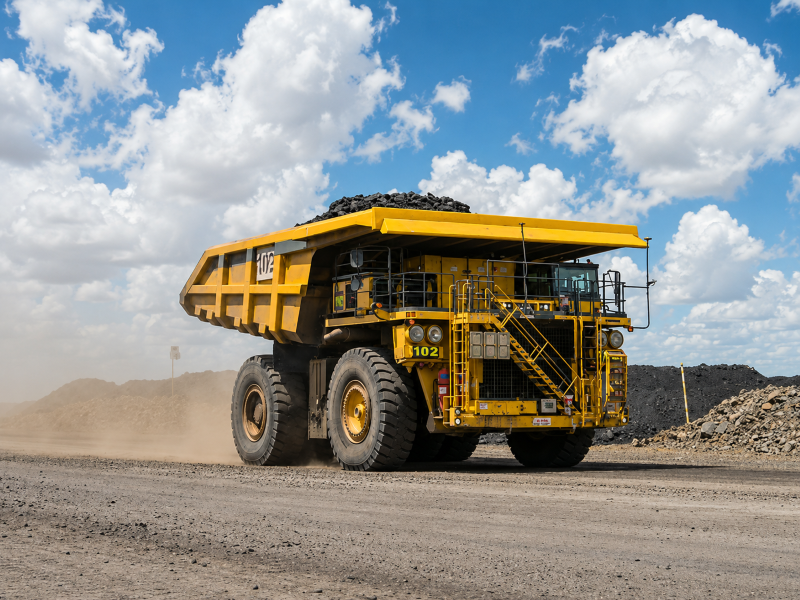
Mining truck tires endure some of the harshest conditions in industry, hauling massive payloads across rugged terrain with extreme loads and sharp rock surfaces. Understanding the root causes of tire wear is essential for reducing downtime and controlling costs.
Road Conditions and Route Geometry
Haul road quality is the leading factor in tire damage. Studies show punctures account for over 50% of tire failures, followed by separation damage—both directly linked to poor road surfaces and sharp stones that cause chipping and chunking of tread compounds. Route geometry also plays a significant role: tire wear increases markedly on slopes and curves, with wear rising parabolically with slope angle and the inside rear tire showing the greatest wear on corners. Reducing sudden acceleration, hard braking, and high-speed cornering are effective countermeasures.
Thermal Effects and Mechanical Damage
Thermal and pressure effects further impact tire life. Carcass temperature fluctuations affect inflation pressure, load capacity, and contact pressure distribution, with abnormal temperature and pressure contributing significantly to premature failure. Beyond gradual wear, mechanical damage including punctures, cuts, cord breaks, and sidewall cracking affects tire integrity. Ultra-large tires also experience belt edge separation and ply turn-up separation under cyclic loading, with belt edges particularly vulnerable to crack nucleation.
Management Strategies
Effective management strategies include regulating speed and payload to stay within manufacturer TKPH ratings, maintaining haul roads, ensuring clean loading faces, and providing operator training. Given that three manufacturers control over 95% of the giant tire market, effective wear management is both an operational necessity and a competitive advantage.
-
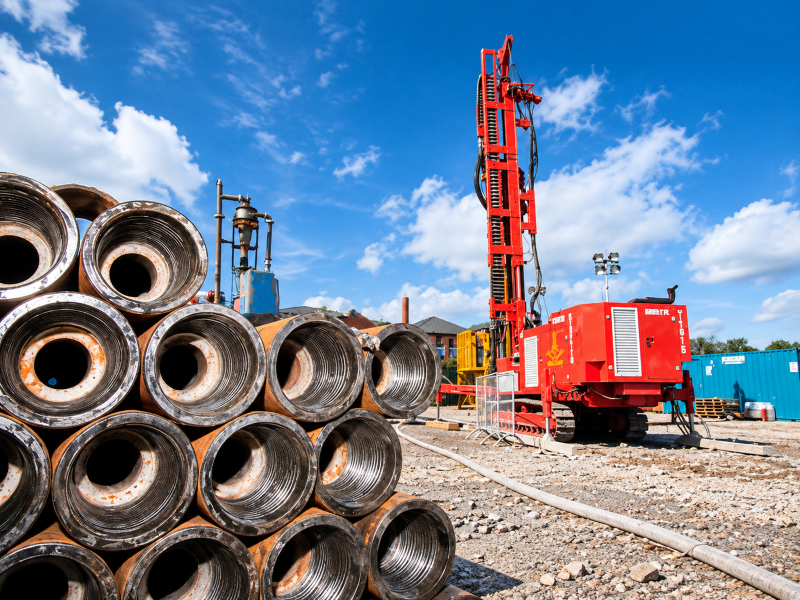 Rotary Drill Pipe Fracture Analysis
 October 10, 2026 Read More
 -
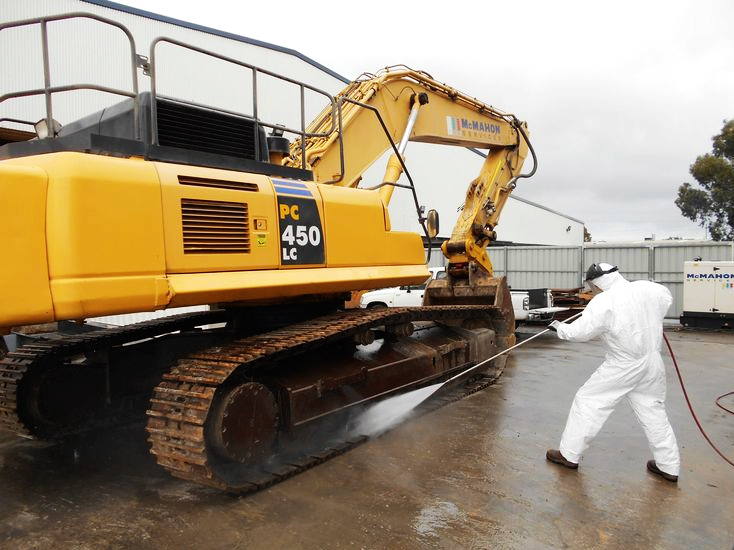 Radiator Cleaning and Summer Overheating Prevention for Construction EquipmentJune 23, 2026 Read More
 -
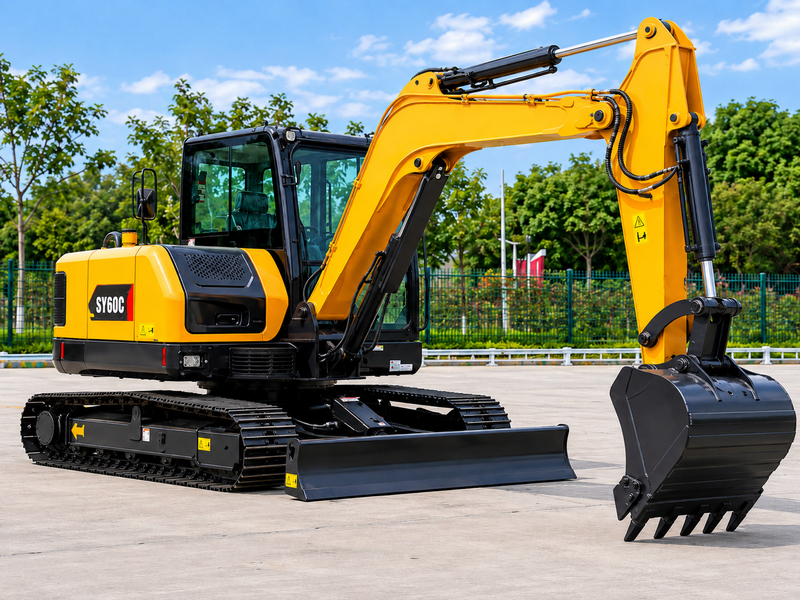 Compact, Powerful and Efficient: SANY SY60C Excavator for Urban JobsMay 28, 2026 Read More
 -
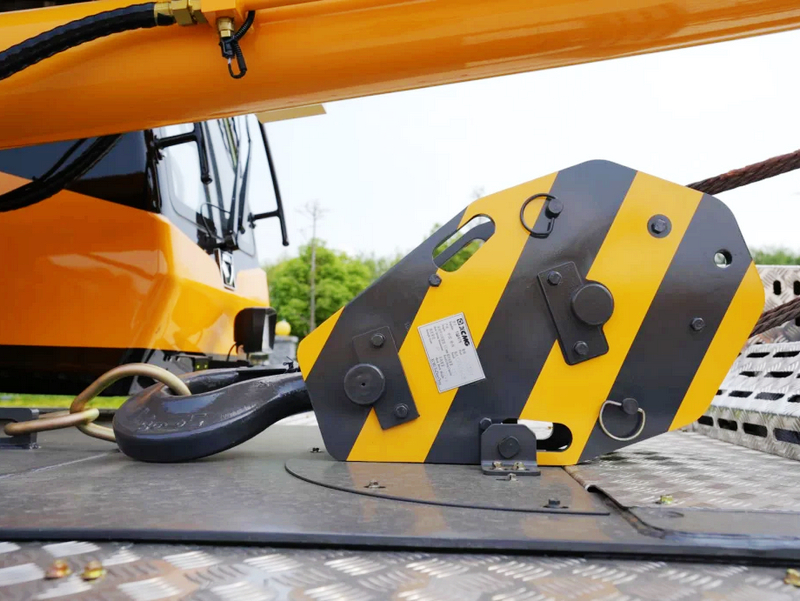 Crane Hook Inspection: Key Safety Checks You Must Never IgnoreApril 20, 2026 Read More
 -
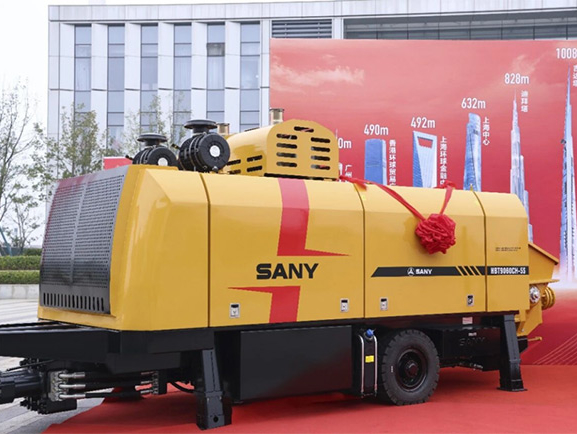 SANY Ultra-High Pressure Pump Supports Construction of 1008m Jeddah TowerMarch 06, 2026 Read More
 -
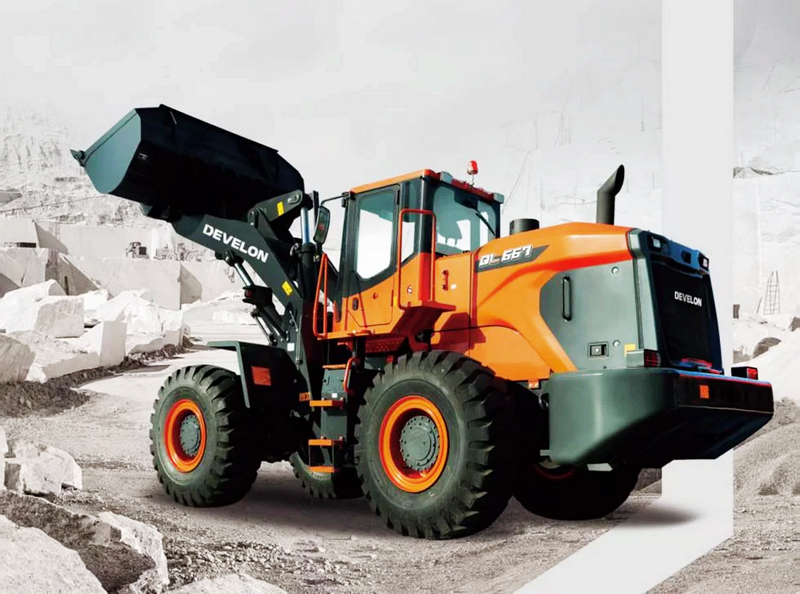 How to Properly Change Engine Oil on a Wheel LoaderJanuary 06, 2026 Read More
 -
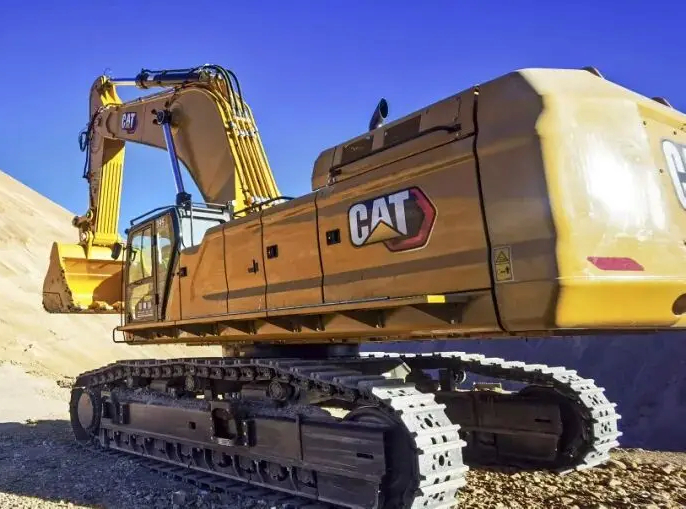 Winter Maintenance Guide for Construction EquipmentDecember 10, 2025 Read More
 -
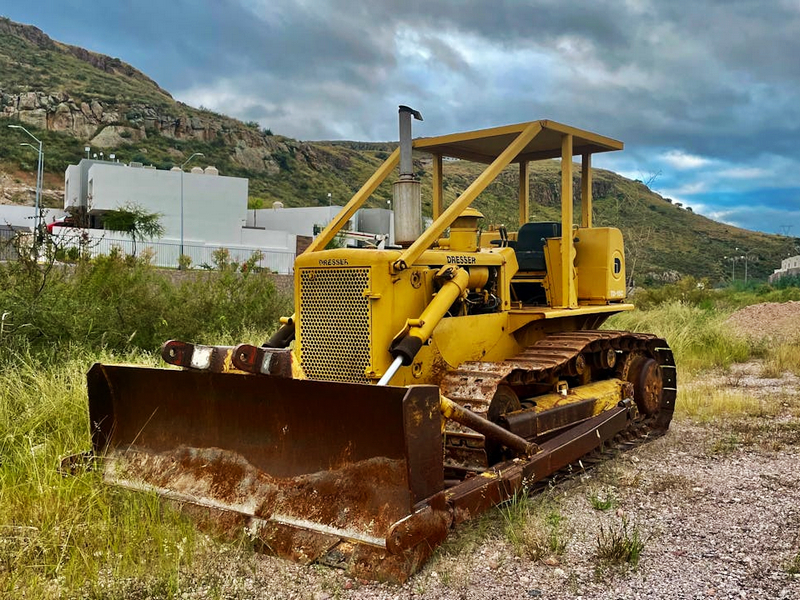 Winter Maintenance Guidelines for Bulldozers Deserve AttentionNovember 27, 2025 Read More
 -
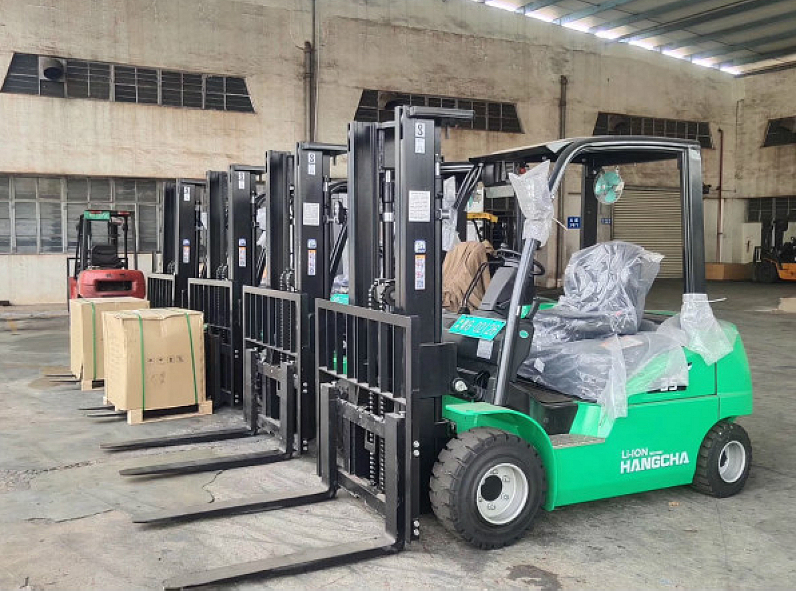 Winter Forklift Battery Maintenance EssentialsNovember 21, 2025 Read More
 -
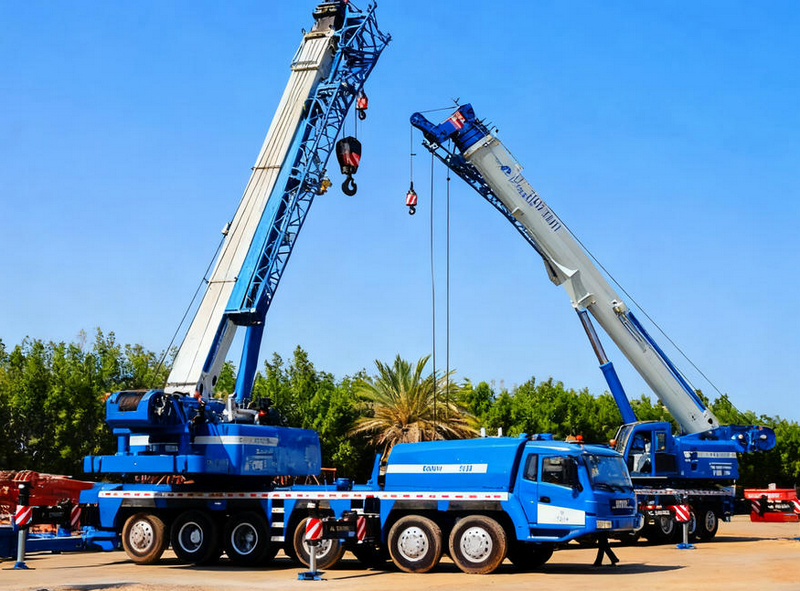 Systematic Crane Maintenance ManagementOctober 30, 2025 Read More
-
On the Ground: CATERBE Visits SUNWARD Factory2026 / 08 / 18
-
Double Celebration: CATERBE Turns 2 & Moves to New Home2026 / 07 / 01
-
CATERBE’s 2026 Team-Building Trip in Chenzhou, Hunan Concludes Successfully2026 / 06 / 11
-
CATERBE Concludes “Red Trade Rising” Competition with Strong Results2026 / 04 / 30
-
CATERBE Visited CHENGLI Group for Industry Learning2026 / 03 / 12
-
United in Vision, Connected Online | CATERBE 2026 Annual Dinner2026 / 02 / 06
-
CATERBE Celebrates Christmas with a Cozy Afternoon Tea Gathering2025 / 12 / 25
-
CRCHI's First TBM for South Korea Bores Through Railway Tunnel2026 / 10 / 13
-
SHANTUI Showcases Smart & Green Solutions at Jining Expo2026 / 09 / 08
-
Electrification Gains Momentum in Construction Machinery2026 / 08 / 13
-
Electrification Gains Momentum in Construction Machinery2026 / 08 / 13
-
SHANTUI Mixer Trucks Head to Egypt for Belt and Road Projects2026 / 07 / 23
-
VOLVO CE and Hitachi Energy Partner to Advance Zero-Emission Construction Sites2026 / 06 / 05
-
LIUGONG to Showcase Innovative Technologies at 2026 Tech Festival2026 / 05 / 19

Caterbe Plant Sales Ltd.
 +86-27-8555-7818
 +86-27-8555-7818
 +86-199-7396-9036
+86-173-6366-2671
+86-178-7392-5674
 export@caterbe.com
  Suite 2910, Tower I, New World International Trade Building, No. 568 Jianshe Avenue, Jianghan District, Wuhan, Hubei Province, China